
How to Set Up a Marketing Automation Strategy?
A comprehensive guide to implementing marketing automation for your business. Learn how to automate repetitive marketing tasks, increase leads by up to 80%, and achieve an average ROI of $5.44 for every dollar spent through smart automation strategies.
 Enod BataaUpdated July 31, 2025
Are you stuck in a loop of endless, repetitive marketing tasks? From sending follow-up emails to posting on social media, these jobs are essential but can drain your time and energy. What if you could put them on autopilot, giving you more time to focus on strategies to grow your business? That’s the promise of marketing automation.
This isn’t about replacing humans with robots. It’s about augmenting your marketing effort and enhancing the capability of your marketing team by using smart automation software to handle the routine stuff that saps up your time, automating repetitive tasks such as lead nurturing, customer onboarding, upselling, and re-engagement.
In this guide, we will walk you through the step-by-step process of setting up your marketing automation, the tasks you can automate, and the benefits of this for your business.
What is Marketing Automation? (And Why You Should Care)
Marketing automation is the use of software to automate, optimize, and streamline marketing tasks. Think of it as your digital assistant, working 24/7 to manage email campaigns, nurture leads, and track customer engagement without you having to lift a finger. Here’s how marketing automation works: it maps the customer journey, triggers targeted campaigns based on user actions, and analyzes customer data to deliver relevant messaging at every stage.
This progression from rule-based systems to autonomous decision-makers represents the AI’s evolution in marketing, where platforms leverage machine learning to understand context and optimize outcomes. Marketing automation platforms serve as comprehensive tools that enable businesses to manage lead generation, data management, content creation, and distribution all in one place.
Companies using marketing automation have reported incredible results:
-
More and Better Leads: Businesses have seen up to an 80% increase in leads and a 77% rise in conversions. These improvements are maximized when marketing automation strategies are aligned with clear business goals, such as lead generation and customer retention. For specific techniques to improve your lead generation results, explore these proven lead generation strategies through marketing automation platforms.
-
Massive ROI: For every dollar spent on marketing automation, businesses see an average return of $5.44. Plus, 76% of companies see a return on their investment within the first year. Studies also confirm the ROI advantages of AI automation with adaptive systems, reducing operational costs by up to 20% while handling complex, non-linear customer journeys.
-
Increased Productivity: Automation can boost sales productivity by 14.5% and slash marketing overhead by 12.2%.
-
Personalized customer journey:77% of marketers are using marketing automation to create personalized experiences and content for their audience, enhancing the overall customer experience.
-
Increased productivity and efficiency of the marketing team: In a recent survey, 74% of marketers attested to the fact that marketing automation tools indeed saves time and increase marketing productivity by 29%.
What Marketing Tasks Can You Automate?
If you seem to be spending time on repetitive tasks or your marketing team spends most of their hours doing the same task over and over again, chances are you can automate the task. Marketing automation strategies are designed to help free up the time spent on monotonous tasks so you can have more time for other important tasks. Most marketing automation tool allows you to automate:
-
Email marketing
-
Social media management
-
Social media posting
-
Content management
-
Campaign tracking
-
Sales funnel
-
Landing pages
-
SMS marketing
-
Paid Ads
-
Retargeting Ads
-
Ad campaigns
-
Live chats
-
CRM
For practical inspiration, see these real-world examples of how businesses are automating their business workflows.
Now that you’ve seen what automation can do, here’s how to set it up for your business.
Step 1: Set Clear Goals (Before You Automate Anything)
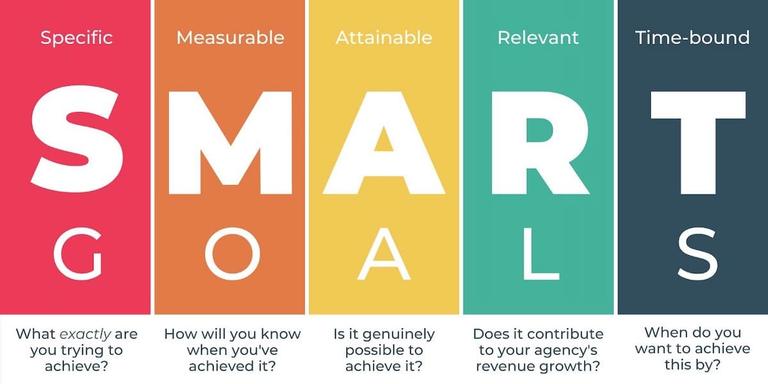
Diving into a marketing automation strategy without a clear plan is a recipe for disaster. Before you even look at a tool, you need to know what you want to achieve. Make sure your objectives are aligned with your broader business goals to ensure your automation efforts support overall organizational success. The best way to do this is by setting SMART goals: Specific, Measurable, Achievable, Relevant, and Time-bound.
Your goals will guide every decision you make, from the workflows you build to the tools you choose. Common objectives for marketing automation include:
-
Generating more high-quality leads.
-
Increasing customer retention and loyalty.
-
Improving the efficiency of your marketing team.
-
Boosting conversion rates at specific points in your sales funnel.
Action Step: Write down 1-3 SMART goals for your marketing automation strategy. Connecting these goals to your overall marketing strategy will help ensure your automation efforts are focused and effective. For example: “Increase our lead-to-customer conversion rate by 15% in the next six months.”
Step 2: Understand Your Audience with Segmentation
To make automation feel personal and not robotic, you have to send the right message to the right person. This is where segmentation comes in. Customer segmentation is the process of dividing your audience into smaller groups based on shared characteristics, allowing for more effective marketing automation and personalized communication.
Here are a few ways you can segment your audience:
-
Demographics: Grouping by age, location, or job title.
-
Behavioral: Segmenting based on actions they’ve taken, like visiting a specific webpage, clicking a link in an email, or their purchase history.
-
Customer behaviors: Segmenting based on preferences, touchpoints, and purchasing patterns to better understand and target your audience.
-
Interests: Grouping people based on the content they’ve shown interest in.
Targeting existing customers through segmentation allows you to tailor your marketing efforts and improve personalized experiences for those who have already purchased.
Action Step: Create 3–5 audience segments based on your current list. For example, segment by behavior (clicked on pricing page), demographics (location or job role), or interests (content categories they've engaged with). Use this to build personalized email or ad campaigns for each group.
Step 3: Map Out Your Customer’s Journey

Now that you know your goals and your audience, it’s time to map their journey. A customer journey map visualizes every interaction a person has with your brand, from their first touchpoint to becoming a loyal customer. Optimizing the entire customer journey ensures that every stage, from awareness to retention, is addressed for maximum impact. Mapping each step of the customer's journey helps you identify the perfect moments to use automation.
When mapping omnichannel journeys, consider integrating your project management tool to synchronize marketing tasks across teams and platforms in real-time.
Think about the typical marketing funnel:
-
Awareness: At this stage, you can automate social media posts or use retargeting ads to keep your brand top-of-mind for new visitors. Tracking website visits is a key metric for segmenting and engaging these new audiences.
-
Consideration: Use automated email drip campaigns to nurture leads with educational content, case studies, or webinar invitations. To maximize your lead nurturing effectiveness, consider implementing these 4 proven techniques for generating better leads through marketing automation platforms.
-
Decision: This is where you can deploy powerful automations like Abandoned Cart Reminder, which can recover up to 25% of lost sales.
-
Retention: Once someone becomes a customer, automate the relationship! Send personalized birthday offers, request feedback, or create automated loyalty programs.
By mapping and optimizing each stage, you can deliver exceptional customer experiences and create personalized customer experiences that drive engagement and loyalty.
Action Step: Sketch out your customer journey in 4 stages: Awareness, Consideration, Decision, Retention. Write down at least one automation trigger and action you can implement at each stage. (e.g., “If user visits pricing page but doesn’t convert → send case study email in 1 day.”)
Step 4: Choose the Right Marketing Automation Tools
With your marketing automation strategy in place, you can now choose your software. The market is full of options, from all-in-one platforms like HubSpot to more specialized tools. When evaluating, look for a marketing automation solution that aligns with your business needs and can streamline your marketing processes.
However, a common pain point for businesses is getting different tools to work together. You might use one app for email, another for social media, and a separate CRM. This is where modern, AI-powered platforms are changing the game. Automation platforms play a crucial role in integrating various marketing tasks, making it easier to manage campaigns and data across channels.
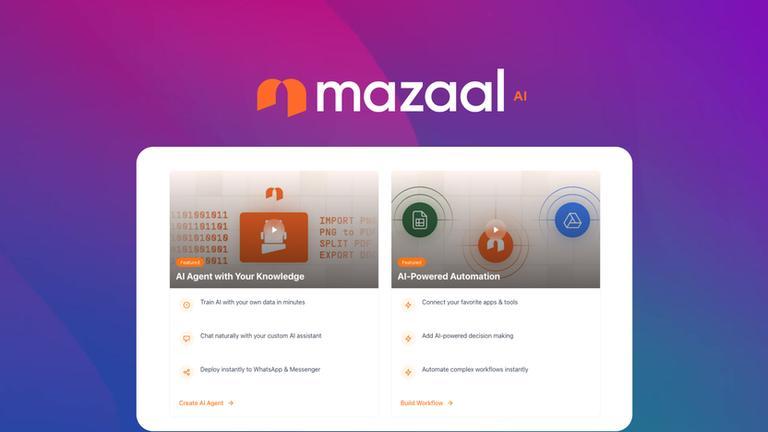
Consider a tool like Mazaal.ai, which is built on an “AI-first” approach. Instead of being limited by pre-built integrations, Mazaal offers universal connectivity, allowing you to connect over 2,500 apps and even custom software. Its standout feature is an AI Copilot that lets you build complex workflows just by describing them in plain English. This eliminates the technical barriers that stop many businesses from automating effectively.
Action Step: Make a shortlist of 2–3 automation platforms that fit your use case. Prioritize tools with easy integrations and natural language workflow building. Bonus: Test out Mazaal.ai’s AI Copilot by describing a basic flow like a welcome email and see how it handles it.
Step 5: Build and Launch Your First Workflows
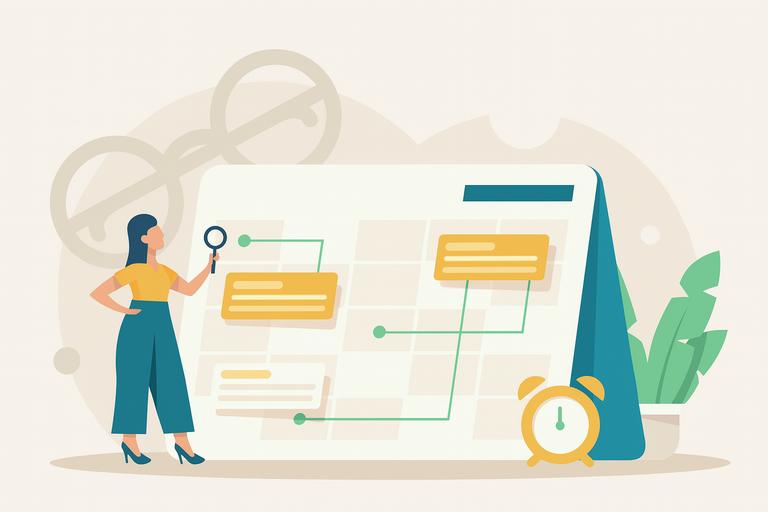
You don’t need to automate your entire business overnight. The key is to start small, test the waters, and expand from there. Implementing marketing automation workflows provides a systematic approach to automating your sales and marketing processes. Here are two simple but highly effective workflows to start with:
-
The Welcome Series: When someone signs up for your newsletter or creates an account, trigger an automated series of 3-5 emails. Introduce your brand, provide value, and guide them on what to do next—this workflow is essential for nurturing leads and building early engagement.
-
The Abandoned Cart Reminder: For e-commerce businesses, this is a must-have. If a customer adds items to their cart but doesn’t check out, automatically send a reminder email a few hours later. This targeted communication increases the chances of recovering lost sales by reaching users with relevant, timely messages.
These examples show how marketing automation work can streamline repetitive tasks and improve customer engagement through practical, automated workflows.
By leveraging automated workflows, you can achieve more effective personalized messaging, leading to higher engagement and better results.
Action Step: Choose one workflow to launch this week—either a welcome series or abandoned cart reminder. Use your automation tool to build and test the flow, then set it live with a small audience segment. With a tool like Mazaal.ai, you could simply tell the AI Copilot, “When a user signs up, send them the welcome email sequence over five days,” and it will build the workflow for you. Automation like this allows you to deliver personalized messages tailored to each user's behavior and preferences.
Step 6: Measure, Optimize, and Scale
Marketing automation is not a “set it and forget it” strategy. Successful marketing automation strategies should identify and create key performance indicators (KPIs). To get the best results, you need to constantly monitor the performance your KPIs, analyze what’s working, and optimize your campaigns. Marketing teams should collaborate closely to review data and share insights for continuous improvement. Regularly refining your marketing automation strategies ensures your workflows remain effective and aligned with business goals.
Track key performance indicators (KPIs) like:
-
Email open and click-through rates
-
Conversion rates
-
Customer lifetime value (CLV)
-
Engagement with relevant content
Use A/B testing to experiment with different subject lines, content, and send times to see what performs best. Incorporating A/B testing into your marketing strategies helps you make data-driven decisions and optimize campaign effectiveness. As you gather more data, you can refine your segments, improve your messaging, and scale your automation efforts to other parts of the business.
Optimizing your automation also supports a more efficient sales process, helping convert leads into customers more effectively.
Action Step: Set up tracking for key KPIs (like open rate, CTR, conversion). Run an A/B test on one variable (e.g., email subject line) this week and analyze the result after 5–7 days. Use insights to iterate and improve.
Best Practices for a Smooth Implementation
To get the most out of your marketing automation strategy, it’s important to follow a few best practices from the start.
-
Set Clear Goals. Begin by defining clear goals for your automation efforts—whether it’s boosting lead generation, improving customer retention, or streamlining your marketing processes. These objectives will guide your decisions and help you measure success.
-
Ensure the quality and accuracy of your customer data. Since marketing automation relies on up-to-date information to deliver relevant messages, outdated or incomplete data can lead to ineffective or even embarrassing automated marketing campaigns.
-
Select the Right Tool. Take the time to select the right marketing automation platform for your business. Look for a solution that’s easy to use, scalable as your needs grow, and integrates seamlessly with your existing marketing tools. The right marketing automation platform should empower your team, not complicate your workflow.
-
Create Personalized Content That Converts. Personalized content is at the heart of a successful marketing automation strategy. Today’s customers expect brands to understand their needs and deliver relevant messages at the right time. Marketing automation tools make this possible by harnessing customer data and tracking customer behavior across channels. With the right marketing automation software, you can segment your audience and tailor your messaging to each group, ensuring that every interaction feels personal and meaningful.
-
Keep Refining Your Strategy. Use analytics tools to track the performance of your campaigns and gain insights into what’s working and what needs improvement. By continuously refining your automation strategy and leveraging the best marketing tools available, you’ll set your business up for long-term success in lead generation and customer retention.
By adhering to these best practices head-on, you’ll maximize the impact of your automated marketing campaigns.
Ready to Put Your Marketing on Autopilot?
A robust marketing automation strategy is a game-changer if you want to streamline your marketing efforts and increase your ROI. It is a powerful strategy that can save you time, generate more revenue, and help you build stronger relationships with your customers. Developing a marketing automation strategy ensures a systematic approach to optimizing your marketing processes and achieving better results.
If you’re ready to ditch the manual, repetitive tasks and embrace an AI-powered future, it’s time to explore what a true automation platform can do. Check out Mazaal.ai to see how you can build powerful AI agents to automate your unique workflows, connect any tool you use, and get started with flexible pricing tiers starting at $39/month!
Includes real-world examples, ROI statistics, and a 6-step implementation framework
Keep reading
All articles →
workflow automation
10 Best AI Workflow Automation Tools for Small Business
Explore the top AI workflow automation tools that help small businesses save time, reduce errors, and enhance productivity.
AI automation
AI Workflow Automation for Small Business: An Implementation Guide
A practical way for small businesses to choose, test, and operate an AI-assisted workflow without automating chaos or creating an unowned system.

workflow automation
How to Automate YouTube Video Transcription for Free with Mazaal AI
Discover how to automate YouTube video transcription for free with Mazaal AI. Save time, boost accessibility, and easily repurpose content using automated workflows.